-

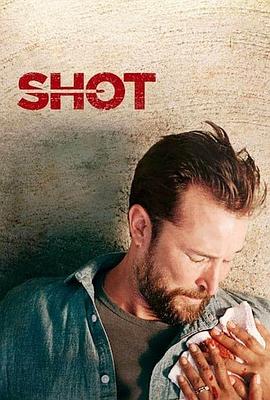
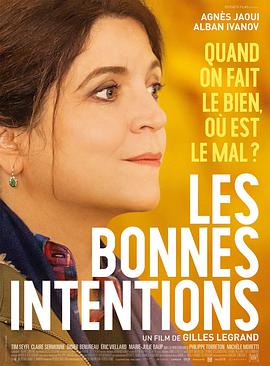
备注:已完结
类型:电影
主演:莎伦·卡罗西亚 Rosario Caroccia Tina Amari
语言:其它
年代:未知
简介: Rosario works as a street seller on the fairgrounds of the suburbs of Naples. His dream to escape poverty latches onto the musical talent of his daughter Sharon. He turns into an impresario to make her a star of the Italian folk music
-
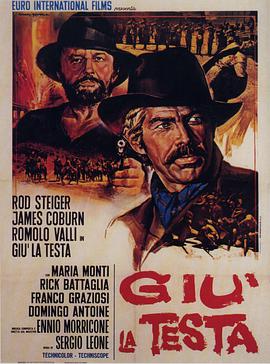
备注:已完结
类型:电影
主演:罗德·斯泰格尔 詹姆斯·柯本 罗慕洛·瓦利 玛丽娅·蒙蒂 里克·巴塔利
导演:赛尔乔·莱昂内
语言:其它
年代:未知
简介: 故事发生在二十世纪初的墨西哥革命中。一辆长途马车里,高贵的先生女士们对一位沉默寡言的农民大放厥词,然而突然农民摇身一变,显出家庭式匪帮头目胡安(Rod Steiger 饰)的真面目。胡安打劫后路遇爱尔兰革命军爆破专家约翰(James Coburn 饰),后者的爆破能力令抢劫梅萨维德银行如探囊取物,于是胡安苦苦尾随,不经意间却卷入了配合维拉革命军的梅萨维德暴动。胡安如愿与约翰搭档洗劫银行,但他所有的收获却是解放150名政治犯人 政府军上校刚特率军镇压革命,胡安与革命队伍付出了惨痛的代价。在逆境中,约翰与胡安产生了真正的革命情谊,二人在前往美国的路上折返阻击刚特上校,当约翰中弹之时,这位老战士看到了昔日在爱尔兰的温馨场景……本片获1972年意大利大卫奖最佳导演奖。
-
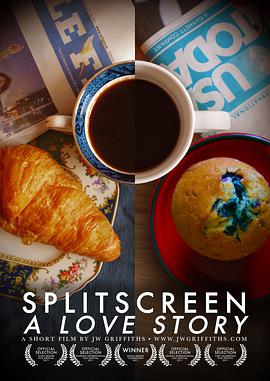
备注:已完结
类型:电影
导演:詹姆斯·W·格里菲思
语言:无对白
年代:未知
简介:在线高清版本:http://v.youku.com/v_show/id_XMjkzOTY2Nzk2.html 晨光微曦,睡意初醒屏幕的两边,纤细和粗壮的手分别拉开窗帘,任凭世界的斑斓不由分说闯入眼底。让莲蓬洒出的甘露洗去夜晚驻留身上的客尘,更为抖擞精神礼拜这个于他们来说十分特别的日子。且勿慌乱,纵使心中小鹿乱撞,姑且从容做好眼下的一切。浓香的咖啡预示着美好的开始,于是背包启程,暂时告别你我熟悉的巴黎和纽约,街头巷尾,浮光掠影,尽是行色匆匆的路人,我只望向天空,畅想着天际种种美好。或许便在同时,我们缓缓飞入云端,有如被一根细线牵引的风筝,彼此越来越近。一切的一切,只为今日的相遇…… 本片全部采用Nokia N8手机拍摄,是2011年诺基亚短篇大赛冠军作品。
-

备注:已完结
类型:电影
主演:Bob Dylan Joan Baez Judy Collins
语言:英语
年代:未知
简介:"Bob Dylan going electric" at the 1965 Newport Folk Festival is one of those epochal moments in rock history that seemingly everyone has heard about, but what few people seem to know is that it wasn't some ephemeral event that we only know from word of mouth -- filmmaker Murray Lerner documented the performances at the Newport Festival for several years running, and The Other Side of the Mirror collects footage from the three years Dylan appeared at the celebrated folk gathering, allowing us to see Dylan's rise through the folk scene for ourselves. Watching Lerner's documentary, what's most remarkable is how much Dylan changed over the course of 36 months; the young folkie performing at the afternoon "workshop" at the side of Joan Baez in 1963 is at once nervy and hesitant, singing his wordy tunes while chopping away at his acoustic guitar and energizing the crowd without seeming to know just what he's doing. In 1964, Dylan all but owns Newport, and he clearly knows it; he's the talk of the Festival, with Baez and Johnny Cash singing his praises (and his songs), and his command of the stage is visibly stronger and more confident while his new material (including "Mr. Tambourine Man" and "It Ain't Me, Babe") sees him moving away from the "protest songs" that first made his name. When the audience demands an encore after Dylan's evening set (Odetta and Dave Van Ronk were scheduled to follow him), Peter Yarrow tries to keep the show moving along while Dylan beams at the crowd's adulation, like the rock star he was quickly becoming. By the time the 1965 Newport Festival rolled around, Dylan's epochal "Like a Rolling Stone" was starting to scale the singles charts, and the hardcore folk audience was clearly of two minds about his popular (and populist) success. When Dylan, Fender Stratocaster in hand, performs "Maggie's Farm" backed by Al Kooper, Mike Bloomfield and the rhythm section from the Paul Butterfield Blues Band, the raucous but hard-driving number inspires a curious mixture of enthusiastic cheering and equally emphatic booing, and while legend has it that the version of "Like a Rolling Stone" that followed was a shambles, the song cooks despite drummer Sam Lay's difficulty in finding the groove, though if anything the division of the crowd's loyalties is even stronger afterward. After these two numbers, Dylan and his band leave the stage, with Yarrow (once again serving as MC) citing technical problems (if Pete Seeger really pulled the power on Dylan, as legend has it, there's no sign of it here); Dylan returns to the stage with an acoustic six-string to sing "Mr. Tambourine Man" and "It's All Over Now, Baby Blue" before vanishing into the night without comment. While much of the audience at Newport in 1965 wanted the "old" Dylan back, his strong, willful performances even on the acoustic stuff makes it obvious that the scrappy semi-amateur we saw at the beginning of the movie was gone forever, and the ovations suggest more than a few people wanted to see Dylan rock. Lerner's film tells us a certain amount of what we already knows, but it gently debunks a few myths about Dylan during this pivotal moment in his career, and his performances are committed and forceful throughout; no matter how many times you've read about Dylan's Newport shoot-out of 1965, seeing it is a revelatory experience, and Lerner has assembled this archival material with intelligence and taste. This is must-see viewing for anyone interested in Dylan or the folk scene of the '60s.